
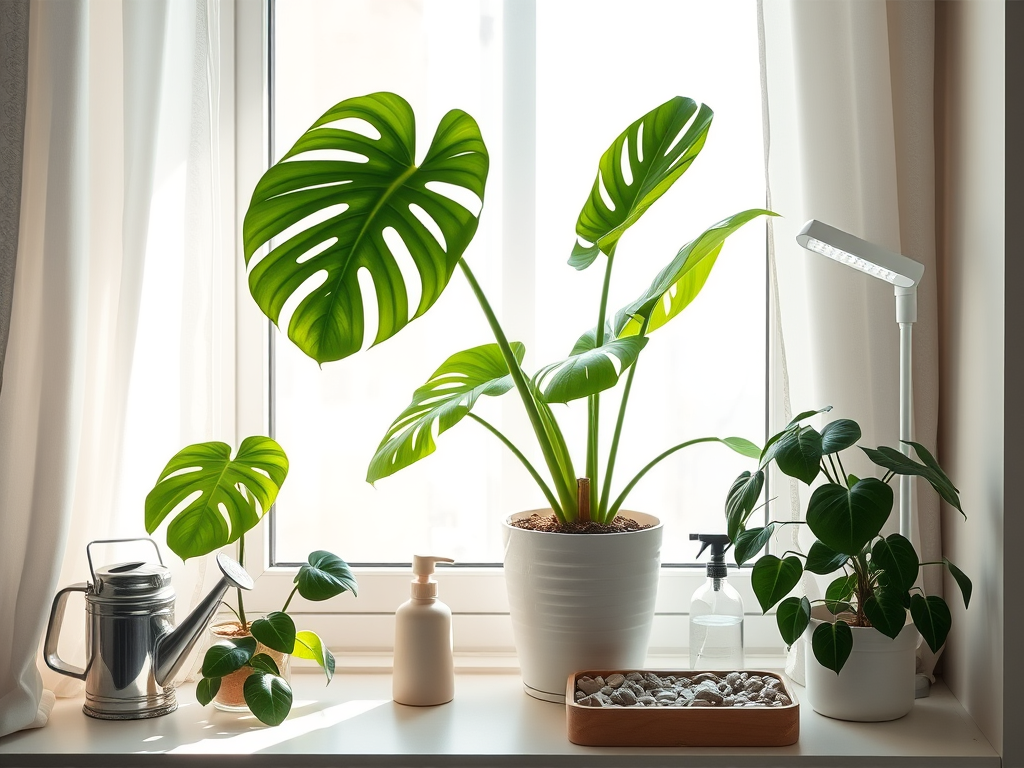
Its a common phenomena for plant lovers to see their plants weaken and even die during cold days of the Winter. While its common that plants will look weak and barely grow in this season for natural dormancy period, fatality can be avoided with some basic care practice particularly relevant for this time. Care for indoor plants during winter need focus on supplying the right amount of light, water, humidity, care. The twist is to learn the needs of indoor plants during this cold season in particular as Winter care is very different than the plant requires in other seasons.
Lighting
Position the plant in a location that has bright yet indirect light. If the plant exhibits leggy growth or pale leaves, it may require more light; alternatively, if the leaves are scorched or yellowing, it may be receiving too much or direct sunlight. As days are shorter moving the plants closer to brighter window or balcony is crucial keeping in mind to keep it safe from cold waves.
Water
Water only when the top inch or two of soil is dry, using water at room temperature, as cold water can shock the roots. It’s crucial to allow any water left in the pot to dry off completely to prevent root rot. Consider using pots with drainage holes. When it is time for watering, deep watering, encourages the roots to grow downward in search of moisture, promoting a stronger plant and also cleanses the soil of any salt build-up underneath the pot.
Humidity
Enhance humidity through mist, a pebble tray or a humidifier , especially when dealing with tropical plants that thrive in moist environments. Calathea leaves can damaged due to drier air during winter in Bangladesh. By misting the leaves regularly, you can mimic the humidity these plants adore.
Pest Control
The plants should be inspected from time to time for pests such as spider mites or mealybugs infestation, which can weaken their vitality and hinder their growth. These pests are often found on the undersides of leaves or in leaf joints. Treating these infestations with “neem oil spray” or soapy water not only eliminates the pests but also provides a natural way to protect the plants without using harsh chemicals. Regular monitoring and early intervention are key to preventing larger outbreaks.
Cleaning
Gently wipe the leaves or shower the plants to remove any dust from the leaves, as this buildup can block sunlight and hinder photosynthesis. Dusty leaves are less effective at absorbing light, which is crucial for the plant’s energy production. By maintaining clean leaves, you promote healthier plants that can efficiently absorb light and nutrients, ultimately contributing to their overall well-being.
Follow these simple guidelines for a smooth journey of your beloved green companions. Feel free to knock ProPlanters for any assistance whenever you feel you need help.